Author: RBox Company | Category: HR Strategy & Solutions
For the first time in labor market history, businesses are witnessing the coexistence of 3 to 4 generations: Baby Boomers (approaching retirement), Gen X (senior management), Gen Y (core workforce), and Gen Z (a bold and dynamic new wave).
This diversity brings immense creative energy but also poses a major challenge for CEOs and HR Managers: How to effectively manage a Multi-Generational Workforce? How can conflicts be resolved when values and working styles differ significantly?
In this article, RBox analyzes each generation in depth and proposes 4 practical strategies to turn generational gaps into a competitive advantage.
Read more: Comprehensive HR Strategy & Solutions for Businesses
.jpg)
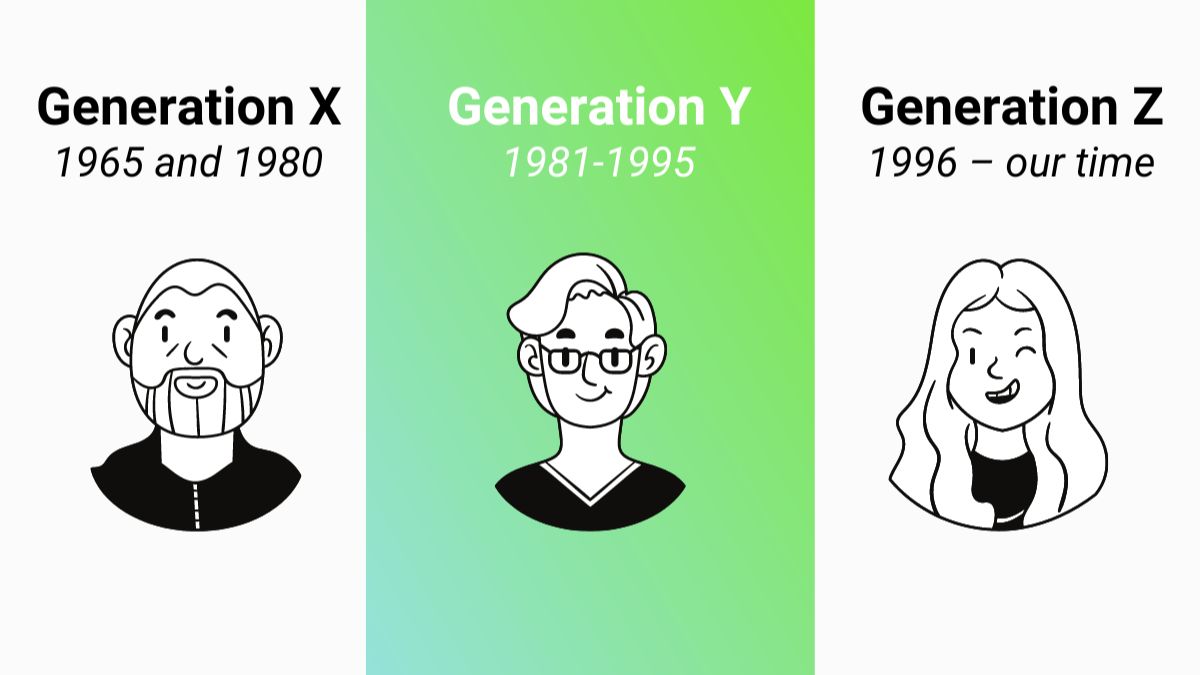
1. Profiles of the 3 Core Generations in Vietnamese Businesses
The golden rule in HR management is: "Understand people before managing them." To remove barriers, leaders must first understand the mindset of each group.
Gen X (1965 – 1980): Experienced “Captains”
Gen X typically holds senior leadership or expert roles.
- Characteristics: Value discipline, loyalty, and stability. They believe in hierarchy and career progression through hard work.
- Working style: Independent, prefer direct problem-solving, less dependent on technology.
- Expectations: Respect, clear authority, and strong retirement/benefits policies.
Gen Y (Millennials, 1981 – 1996): The Transitional Generation
This is currently the largest workforce segment.
- Characteristics: Flexible, result-oriented, ambitious. First generation to emphasize work-life balance.
- Working style: Team-oriented, open to new technologies.
- Expectations: Clear career paths, positive workplace culture, and empowerment.
Gen Z (1997 – 2012): Digital Natives
A new wave reshaping the labor market.
- Characteristics: Creative, highly individualistic, multitasking, trend-sensitive. Willing to switch jobs if misaligned.
- Working style: Prefer flexibility (Hybrid/Remote), dislike micromanagement.
- Expectations: Diverse & inclusive environment, meaningful work, and leaders as mentors rather than commanders.
2. Challenges: When Generational Conflicts Slow Growth
Major differences in mindset can lead to internal “culture shocks”:
- Communication conflict: Gen X prefers meetings or calls, while Gen Z prefers quick chats via Slack/Zalo.
- Perception of loyalty: Managers often see Gen Z as less committed, while younger employees see companies as outdated.
- Feedback: Gen X tends to give indirect feedback, while Gen Y/Z expect direct and immediate responses.
Without a proper multi-generational workforce strategy, companies risk high turnover and a toxic work environment.
3. 4 Golden Strategies for Managing a Multi-Generational Workforce
Strategy 1: Situational Leadership
There is no one-size-fits-all approach.
- For Gen X: Provide autonomy and respect their experience.
- For Gen Y/Z: Act as a coach, set clear goals (OKRs), and allow flexibility in execution.
Strategy 2: Reverse Mentoring
- Gen Z → Gen X: Technology, AI, social media, trends.
- Gen X → Gen Z: Strategy, negotiation, emotional intelligence.
This builds mutual respect and reduces generational gaps.
Strategy 3: Flexible Benefits
The “one-size-fits-all” model is outdated.
- Senior employees may prefer premium family health insurance.
- Younger employees may prefer gym memberships, flexible leave, or learning support.
Strategy 4: Open Communication Culture
Technology should be a bridge, not a barrier. Use modern tools while maintaining in-person engagement like town halls and team building.
_page-0001%20(1).jpg)
4. RBox – Connecting Talent & “Right People - Right Culture” Recruitment Solutions
Managing a multi-generational workforce starts from recruitment. A skilled candidate who lacks cultural fit will struggle to integrate.
RBox supports businesses with:
- Professional Headhunting: Evaluating not just skills but adaptability and cultural fit.
- HR Strategy Consulting: Building strong employer branding.
- Market Insights: Providing data on salary trends and workforce behavior.
Generational diversity is not a barrier—it is a strategic asset. Successful companies leverage the strengths of Gen X, Y, and Z to build agile and sustainable organizations.
RBox - Leading HR Solutions Provider in Vietnam & Asia-Pacific
Contact RBox today for tailored HR consulting solutions
Hotline: 0938 051 663 | Email: sales@rbox.com.vn | Zalo OA: Việc làm Toàn Quốc RBox | LinkedIn: RBox - Recruitment in a Box